Stock is usually one of the biggest numbers on a business’s balance sheet, and one of the easiest to lose track of. Count at the right rhythm and your figures stay accurate, your margins stay visible and your accountant gets numbers they can trust. Leave it too long and small errors quietly turn into big ones.
Key takeaways
- Every business that holds stock needs an accurate count at its financial year end. That one is not optional.
- Pubs, bars and restaurants usually benefit from a monthly count to keep gross profit under control.
- Busy shops often count monthly or quarterly, with high-value lines checked more often.
- Warehouses tend to combine a periodic full count with rolling cycle counts through the year.
- An independent stocktaker gives you figures that are unbiased and counted the same way every time.
So how often should you actually count? It depends on what you sell, how fast it moves and how much it is worth. Here is a straightforward guide.
Why stocktake frequency matters
A stocktake compares what your records say you should have with what is physically there. The gap between the two is where the answers are: miscounted deliveries, items sold but not recorded, damaged or out-of-date stock, pricing mistakes and admin errors.
The longer you leave between counts, the harder it is to find out where a difference came from. A difference spotted after four weeks can usually be traced to a delivery, a shift or a product line. The same difference found after twelve months is often just written off.
Your stock figure also feeds straight into your profit. Closing stock is deducted from cost of sales, so an inaccurate count means your profit, and your tax bill, are wrong too. We cover that in more detail in year-end stocktakes: what your accountant actually needs.
How often to count, by business type
| Business type | Typical full count | In between |
|---|---|---|
| Pubs, bars and restaurants | Monthly | Weekly on busy or high-risk sites |
| Shops and convenience stores | Quarterly or monthly, plus year end | Spot checks on high-value lines |
| Warehouses and distribution | Quarterly or annually | Rolling cycle counts |
| Any business holding stock | At financial year end | Not optional |
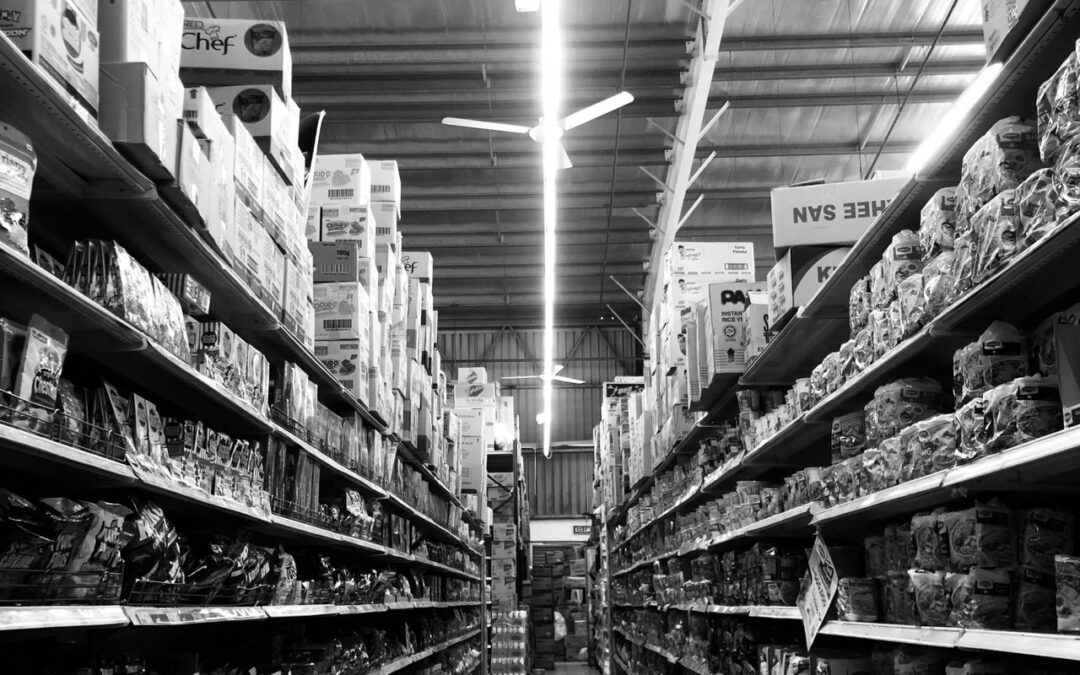
Shops and convenience stores. Many retailers run a full count at year end for the accounts, with quarterly or monthly counts through the year on busy stores. High-value lines can be checked more often. Our retail stocktaking service explains how this works in practice.
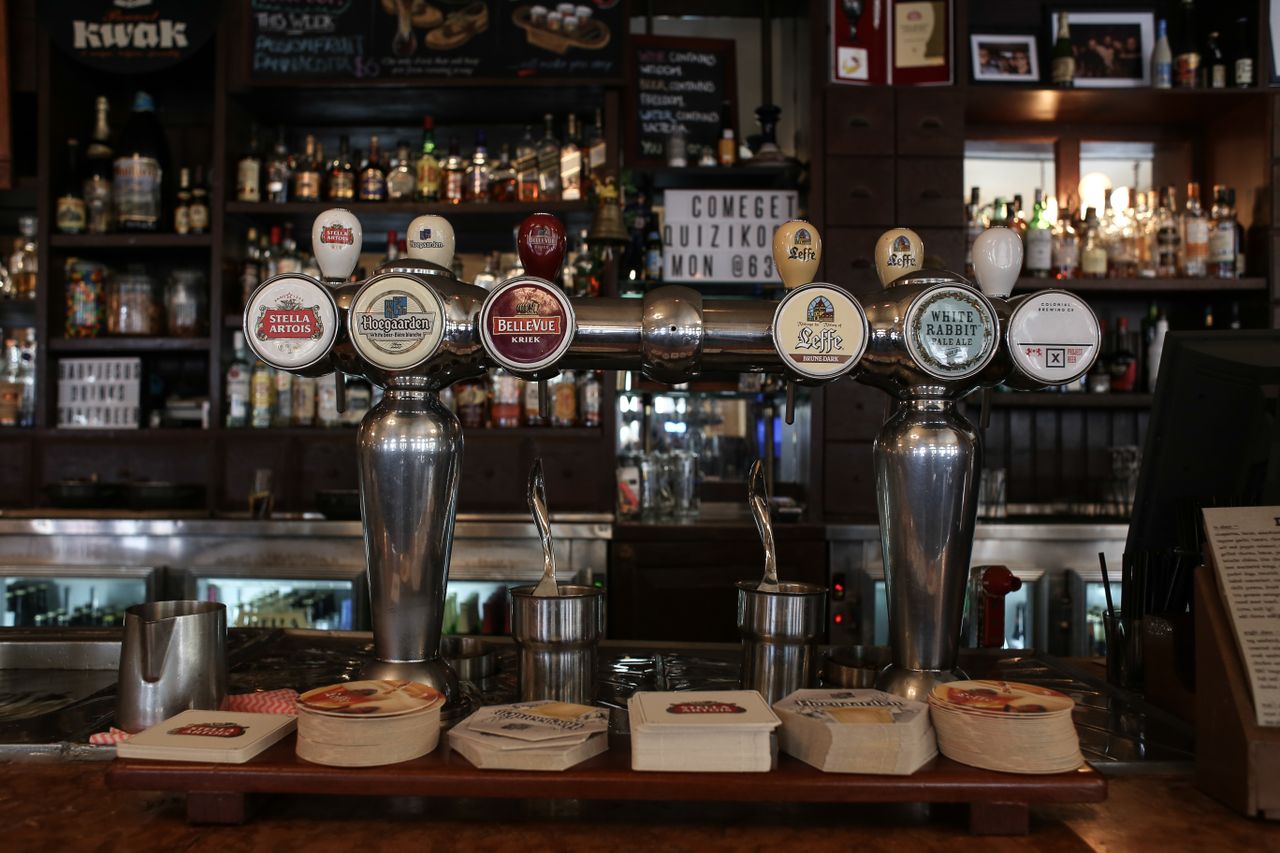
Pubs, bars and restaurants. Licensed venues usually benefit from a monthly stocktake to keep gross profit under control, and some high-volume sites count weekly. Drinks move fast and are easy to lose to over-pouring and wastage, so regular counts with proper GP analysis tend to pay for themselves. See improving GP in pubs and bars for what a count reveals.
Warehouses and distribution. Larger operations run periodic full counts supported by cycle counts, where a slice of stock is counted every week or month so the whole warehouse is covered without shutting down. More in cutting losses with regular warehouse stock counts and our warehouse stocktaking service.
Year end, whatever the sector. UK company law requires companies to keep statements of the stock they hold at the end of each financial year (Companies Act 2006, section 386). This is the one count you cannot skip. Our annual and year-end stocktaking service provides figures in the format your accountant needs.
Signs you should count more often
- Your stock figures and your sales never quite reconcile.
- Gross profit is drifting down with no obvious reason.
- You only find missing or out-of-date stock when a customer asks for it.
- You have had staff changes, opened a new site, or seen a jump in turnover.
- Year end keeps throwing up large adjustments nobody can explain.
Independent counts versus counting in-house
In-house counts are useful, but they have a blind spot: the people who manage the stock are the people checking it. An independent stocktake removes that bias, applies the same method every time, and gives you and your accountant figures you can rely on. It also takes the job off your team, and a good stocktaker works around your opening hours so trading is not disrupted.
Frequently asked questions
What is the minimum number of stocktakes a business needs?
One, at the financial year end, so the accounts and tax return show the right closing stock. Most businesses benefit from counting more often than that.
How long does a stocktake take?
It depends on the size of the site and the number of lines. A single pub or shop is often counted in a few hours, while a large warehouse may take a full shift or more. Counting outside trading hours keeps disruption to a minimum.
Is a partial count worth doing between full counts?
Yes. Counting your most valuable or fastest-moving lines more often catches problems early and makes the full count easier to reconcile.
Should the stocktake be done on the exact year-end date?
As close to it as possible, so the figure ties to the accounts. Popular year-end dates get booked up, so arrange it in advance.
How Keane Stocktakers can help
Keane Stocktakers is an independent stocktaking company covering the UK and Ireland, 365 days a year, for retail, licensed trade, warehousing and more. With over 20 years’ experience, we will help you set a sensible counting schedule, count accurately using handheld scanners or manual counts depending on your stock, and give you clear reports tailored to your business.
If you are not sure how often you should be counting, get in touch and we will recommend the right approach for your sites and stock. No obligation, no hard sell.